DACA and In-State Tuition: What NC Dreamers Should Know
Learn what DACA means, who it protects, and if you can still be deported in 2026. Contact Vasquez Law Firm for expert immigration help in Raleigh.
Published on May 19, 2026
Talk to an immigration attorney
Free call. A clear plan for your case.
Free & confidential · Se habla espanol · Mon-Fri 8am-7pm, Sat 9am-2pm (ET)

Have questions? Talk to an attorney - free evaluation.
Call 1-844-967-3536Free Tool
Check Your USCIS Case Status Now
Enter your receipt number - get the official USCIS status in English or Spanish. No registration.
DACA and In-State Tuition: What NC Dreamers Should Know
For many DACA recipients in North Carolina, the difference between in-state and out-of-state tuition can determine whether higher education is affordable at all. In-state rates are often dramatically lower, so understanding how tuition classification works—and its limits for DACA students—is one of the most practical questions a Dreamer can ask. Because these policies vary by institution and have shifted over time, this guide explains the general landscape and points you toward the current, authoritative answer for your school.
Are you a DACA recipient?
Recent rulings change what renewal looks like. We can review your status in a 15-minute call before your next renewal window.
Why Tuition Classification Matters So Much
Public universities and community colleges typically charge residents of the state a lower "in-state" tuition rate and non-residents a higher "out-of-state" rate. The gap can be substantial, sometimes several times the cost per year. For a student weighing whether to enroll, that classification can be the deciding factor in accessing a degree or a certificate program.
In-State Tuition Considerations for DACA Students in North Carolina

Tuition classification generally depends on rules set by the state and by individual institutions, and eligibility for DACA recipients has been an evolving area. Some institutions and systems have treated tuition classification differently for students without traditional immigration status, and policies at public universities and community colleges do not always align with one another.
Because of this variation, the safest approach is not to assume you do—or do not—qualify for in-state tuition based on general information. What applies at one North Carolina institution may differ at another, and policies can change with new state guidance or institutional decisions.
The most reliable step is to contact the admissions or registrar's office at the specific school you plan to attend and ask directly how they classify DACA recipients for tuition purposes, and what documentation they require. Ask them to point you to their current written policy so you are relying on up-to-date rules rather than assumptions.
Documentation and Questions to Prepare
When you contact a school, it helps to be ready with focused questions:
- How does the institution currently classify DACA recipients for in-state versus out-of-state tuition?
- What documents establish residency or eligibility, and what are the deadlines?
- Are there separate scholarship or financial aid options available to students in my situation?
- Who is the specific contact for residency classification appeals or questions?
What's Your Immigration Situation?
Answer 3 questions - we'll tell you your options
Question 1 / 3
What best describes your situation?
Keep Reading

Keeping a written record of the answers—including the name and date of who you spoke with—can be valuable if a question about your classification arises later.
Why Access to Higher Education Matters
Tuition classification is not just a paperwork detail; it can shape whether a Dreamer can attend college, complete a credential, and build a career. Getting an accurate, current answer from the right office lets you plan realistically and pursue educational opportunities with clear expectations rather than guesswork.
How Vasquez Law Firm Can Help
While tuition classification decisions are made by educational institutions and state authorities rather than by attorneys, understanding and maintaining your DACA status is central to your options. Our attorneys can help you keep your DACA protections current, advise you on how your immigration situation interacts with your goals, and help you plan around education, work authorization, and travel.
Call Vasquez Law Firm at 1-844-967-3536 for a free evaluation. We will help you understand where you stand and how to protect the opportunities ahead of you.
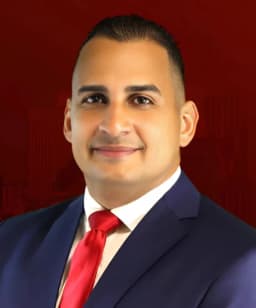
William Vasquez
Founder & CEO, Vasquez Law Firm, PLLC
William Vasquez is the founder and CEO of Vasquez Law Firm, PLLC, a results-driven firm specializing in immigration, criminal defense, personal injury, and workers' compensation. A U.S. Air Force veteran and recipient of the Joint Service Achievement Medal, William is dedicated to fiercely fighting for his clients' rights.
Related Legal Services
Need legal help? Learn more about speak with an immigration lawyer, or contact us for a free evaluation.
You can also visit our North Carolina immigration practice for more information.


