Naturalization Disqualifiers: What Can Get Your N-400 Denied
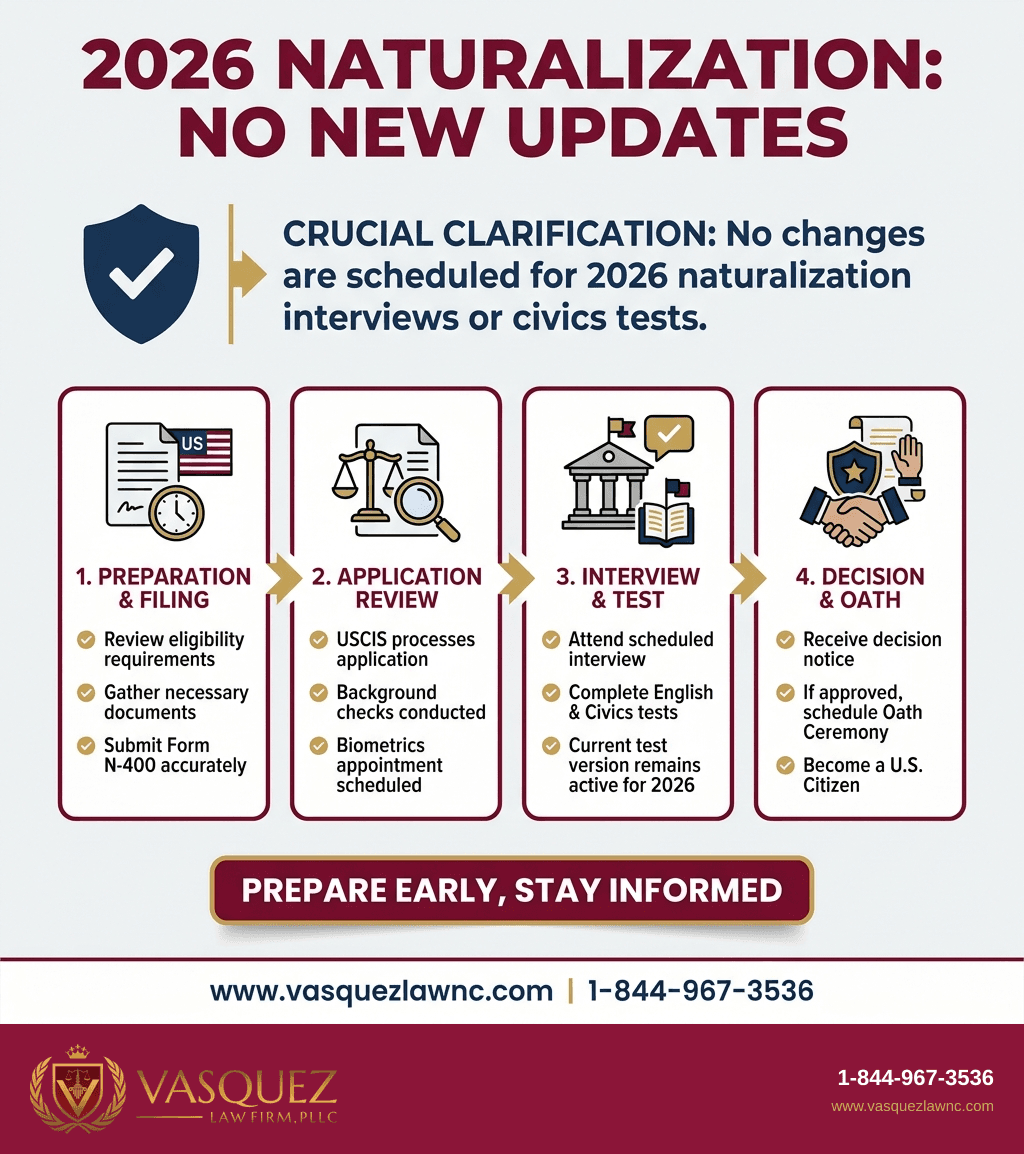
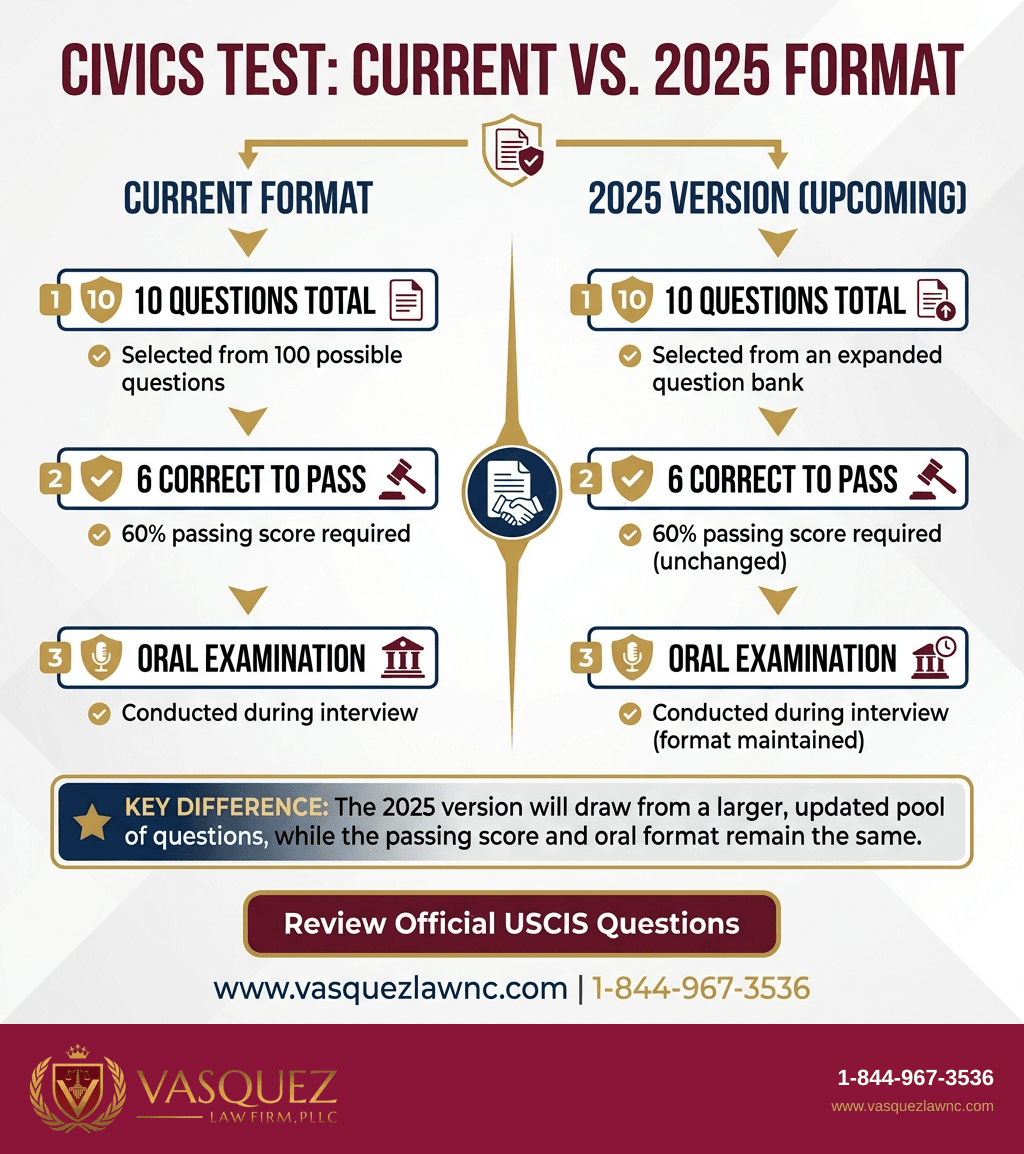
The USCIS will implement a new 2025 naturalization civics test starting October 20, 2025, affecting applicants filing Form N-400 on or after that date. This article explains the updated interview and test requirements for 2026 naturalization applicants in Raleigh, NC and Orlando, FL, including test differences, who is affected, legal bases, preparation tips, and what to expect next.
Published on May 27, 2026
Talk to an immigration attorney
Free call. A clear plan for your case.
Free & confidential · Se habla espanol · Mon-Fri 8am-7pm, Sat 9am-2pm (ET)

Have questions? Talk to an attorney - free evaluation.
Call 1-844-967-3536Free Tool
Check Your USCIS Case Status Now
Enter your receipt number - get the official USCIS status in English or Spanish. No registration.
Naturalization Disqualifiers: What Can Get Your N-400 Denied
Filing Form N-400 is the final step toward U.S. citizenship, but approval is never automatic. USCIS reviews your entire immigration and personal history, and certain issues can lead to a denial even years after you became a lawful permanent resident. Understanding these disqualifiers before you file helps you prepare honestly and avoid costly mistakes.
Worried your citizenship will be questioned?
Recent enforcement makes documentation more important than ever. 15-min call to see what proof you need.
Criminal History and the Good Moral Character Standard
Naturalization requires that you demonstrate "good moral character." USCIS generally reviews the statutory period of the five years immediately before you file (or three years if you are applying based on marriage to a U.S. citizen), but officers can and do look at conduct outside that window when it bears on your character.
Some convictions are permanent bars to establishing good moral character, such as murder and certain aggravated felonies. Other offenses—including some drug crimes, fraud, and crimes involving moral turpitude—can bar naturalization during the statutory period and may also raise removability concerns. Because criminal issues can carry immigration consequences far beyond the citizenship application itself, anyone with an arrest or conviction record should have their situation reviewed before filing.
Failure to Register for Selective Service
Most men who lived in the United States between the ages of 18 and 26—including many lawful permanent residents and some undocumented individuals—are required to register with the Selective Service System. A knowing and willful failure to register can be treated as a lack of good moral character during the relevant period. If you fell into this category, USCIS may ask you to explain whether the failure was knowing and willful, so gathering documentation of your circumstances is important.
Tax Problems and Unpaid Child Support
USCIS looks closely at financial responsibility. Owing back taxes is not an automatic denial, but failing to file required returns or willfully evading taxes can undermine a good moral character finding. If you owe taxes, entering into and complying with an IRS payment plan generally reflects better than ignoring the debt.
Court-ordered child support is treated similarly. Willful failure to support dependents—including falling behind on child support obligations—can be a basis for finding a lack of good moral character. Bringing accounts current or maintaining a documented payment arrangement can help address this concern.
What's Your Immigration Situation?
Answer 3 questions - we'll tell you your options
Question 1 / 3
What best describes your situation?
Keep Reading
False Claims to U.S. Citizenship and Honesty on the Form
Falsely claiming to be a U.S. citizen—for example, to get a job, vote, or obtain a benefit—is one of the most serious issues in immigration law and can carry severe, lasting consequences. Providing false testimony to obtain an immigration benefit is also a good moral character problem in its own right.
This is why complete honesty on the N-400 matters, even for old or already-resolved matters. An officer who discovers an undisclosed issue may deny the application not only because of the underlying conduct but because of the concealment. Disclosing a resolved arrest, a past tax problem, or a prior immigration issue—along with documentation showing how it was handled—is almost always the stronger path.

How Vasquez Law Firm Can Help
Every naturalization case is different, and the presence of one of these issues does not necessarily mean your application will be denied. Our attorneys can review your immigration, criminal, tax, and family history before you file, help you gather supporting documentation, and advise you on timing and disclosure so you can move forward with confidence.
Call Vasquez Law Firm at 1-844-967-3536 for a free evaluation of your naturalization case. We will help you understand your options and prepare a complete, honest application.
Related Topics
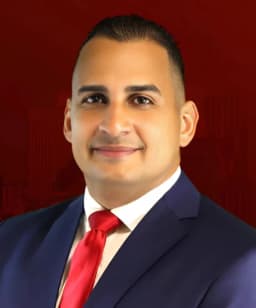
William Vasquez
Founder & CEO, Vasquez Law Firm, PLLC
William Vasquez is the founder and CEO of Vasquez Law Firm, PLLC, a results-driven firm specializing in immigration, criminal defense, personal injury, and workers' compensation. A U.S. Air Force veteran and recipient of the Joint Service Achievement Medal, William is dedicated to fiercely fighting for his clients' rights.
Related Legal Services
Need legal help? Learn more about speak with an immigration lawyer, or contact us for a free evaluation.
You can also visit North Carolina immigration law firm for more information.


