Good Moral Character Requirement for Naturalization: What USCIS Reviews
The Justice Department announced in June 2026 that it filed denaturalization actions against 17 naturalized U.S. citizens accused of serious crimes including sexual offenses, fraud, and drug trafficking. This article explains who is affected, what the law says about revoking citizenship, and what naturalized citizens in Raleigh, NC should know about these developments.
Published on June 13, 2026
Talk to an immigration attorney
Free call. A clear plan for your case.
Free & confidential · Se habla espanol · Mon-Fri 8am-7pm, Sat 9am-2pm (ET)

Have questions? Talk to an attorney - free evaluation.
Call 1-844-967-3536Free Tool
Check Your USCIS Case Status Now
Enter your receipt number - get the official USCIS status in English or Spanish. No registration.
Good Moral Character Requirement for Naturalization: What USCIS Reviews
To naturalize as a U.S. citizen, you must show that you are a person of "good moral character." Many applicants worry this is a vague test of personal virtue, but it is actually a defined legal standard built from specific statutory bars plus a broader, discretionary review of your conduct as a whole. Understanding how USCIS applies it helps you present your case accurately.
Worried your citizenship will be questioned?
Recent enforcement makes documentation more important than ever. 15-min call to see what proof you need.
Good Moral Character Is a Legal Standard, Not a Personality Judgment
USCIS is not asking whether you are a "good person" in the abstract. Instead, the analysis has two parts. First, certain conduct is a per se (automatic) bar to good moral character during the relevant period—these are set by statute and leave the officer little discretion. Second, for conduct that is not an automatic bar, the officer weighs the totality of your circumstances, including positive factors like family ties, employment history, community involvement, and rehabilitation.
This means one negative event does not always end a case, and a clean record does not guarantee approval if other concerns exist. It is a balanced review grounded in law.
The Look-Back Period

Good moral character is generally measured over a statutory period: the five years immediately before you file the N-400, or three years if you are applying based on marriage to and living with a U.S. citizen. You must maintain good moral character up to the time you take the Oath of Allegiance.
Importantly, USCIS is permitted to consider conduct that occurred before the statutory period if it is relevant to your present character. An older issue you assumed was behind you can still come up, which is another reason to prepare thoroughly.
Common Issues That Create Problems
Several recurring issues can undermine a good moral character finding:
- Unresolved warrants or pending charges, which can lead USCIS to pause a case until the matter is resolved.
- Certain criminal convictions, including crimes involving moral turpitude, controlled-substance offenses, and offenses treated as aggravated felonies under immigration law.
- Providing false testimony to obtain an immigration benefit, which is a good moral character problem even when the underlying benefit was minor.
- Willful failure to pay taxes or support dependents, as described above regarding financial responsibility.
Because these issues interact with immigration law in complex ways, their impact depends on the specific facts, dates, and dispositions involved.
What's Your Immigration Situation?
Answer 3 questions - we'll tell you your options
Question 1 / 3
What best describes your situation?
Keep Reading

Why Full Honesty on the N-400 Matters
The N-400 asks detailed questions about your history, and you sign it under penalty of perjury. Concealing or shading an answer is often more damaging than the underlying issue would have been. An officer who uncovers a misrepresentation may find a lack of good moral character based on the dishonesty itself—and misrepresentations can also create broader immigration problems.
The stronger approach is to disclose issues completely and provide documentation—court dispositions, IRS payment records, evidence of rehabilitation—that puts the facts in context. Honesty, paired with preparation, is your best position.
How Vasquez Law Firm Can Help
If you are unsure whether something in your past could affect your good moral character determination, it is far better to find out before you file. Our attorneys can evaluate your history against the applicable legal standards, identify potential concerns, and help you assemble the documentation and explanations that give your application the best chance of success.
Call Vasquez Law Firm at 1-844-967-3536 for a free evaluation. We will review your situation honestly and help you decide how and when to move forward.
Related Topics
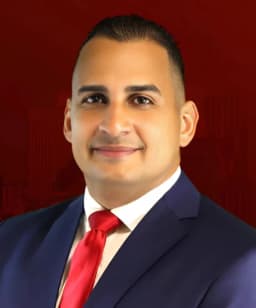
William Vasquez
Founder & CEO, Vasquez Law Firm, PLLC
William Vasquez is the founder and CEO of Vasquez Law Firm, PLLC, a results-driven firm specializing in immigration, criminal defense, personal injury, and workers' compensation. A U.S. Air Force veteran and recipient of the Joint Service Achievement Medal, William is dedicated to fiercely fighting for his clients' rights.
Related Legal Services
Need legal help? Learn more about our immigration law practice, or contact us for a free evaluation.
You can also visit North Carolina immigration law firm for more information.


